




 0

The US Open Has Produced Upsets and Chaos. Why Are Grand Slams So Good at Breaking Predictions?
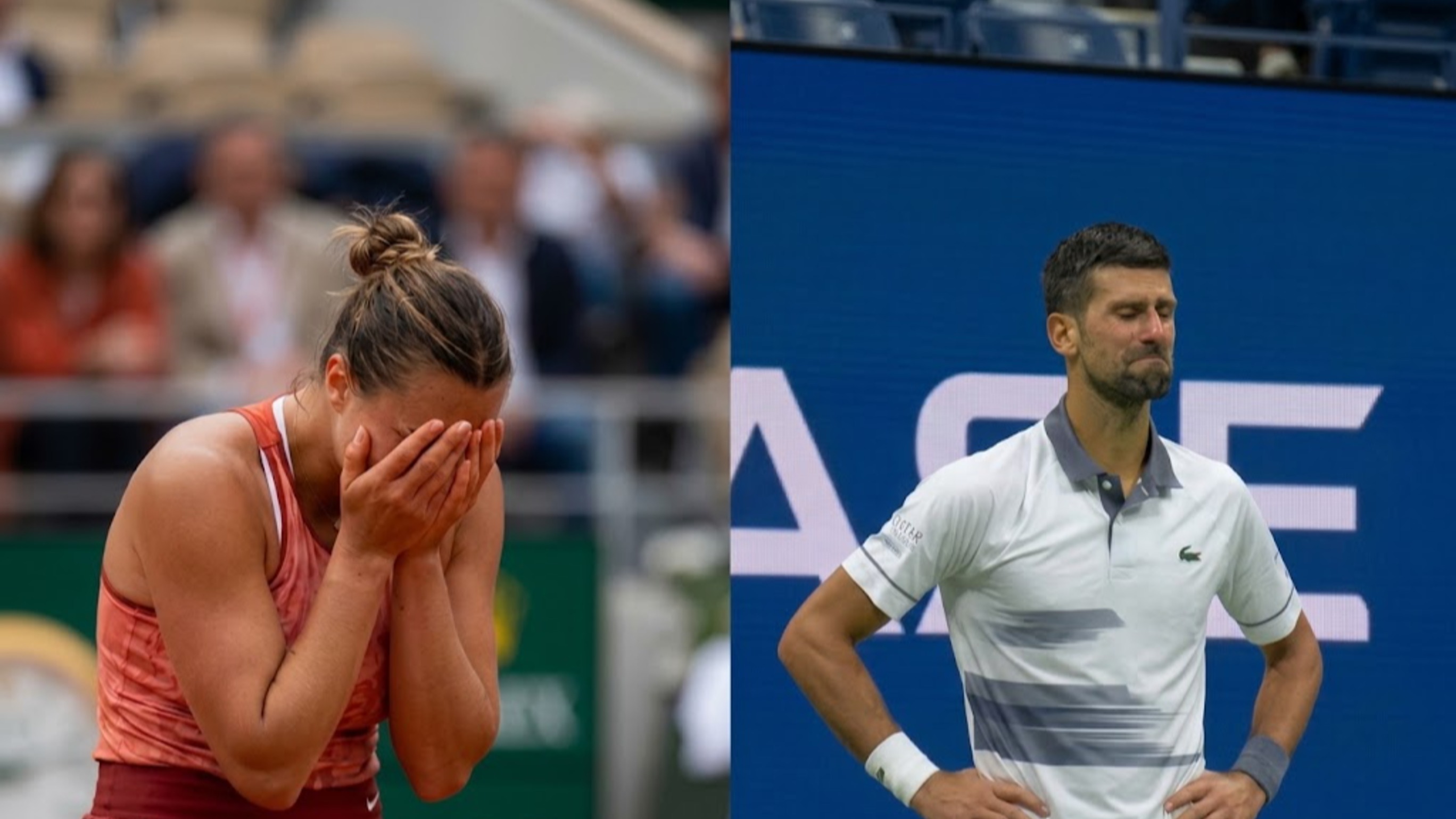
Novak Djokovic lost in the first round for the first time in his career. Aryna Sabalenka needed to survive a near-collapse against Paula Badosa. Rain has repeatedly rewritten the schedule. Comebacks from a set down have become almost routine this fortnight.
None of that is actually unusual for a Grand Slam. It's closer to the format doing exactly what it's built to do.
Why single elimination is inherently more chaotic than a season
A league season averages out bad days across dozens of matches. A single-elimination Grand Slam draw doesn't offer that cushion. One off day, one great return performance from an unseeded opponent, one physical scare, and a tournament favorite is gone, regardless of how strong their season has been up to that point.
That structural fragility is precisely why Grand Slams generate so many genuine upsets compared to almost any other format in the sport.
Why best-of-five sets adds another layer of unpredictability
Best-of-five men's matches, in particular, create room for momentum swings that a shorter format simply doesn't allow. A player can lose the first two sets and still have a realistic path back, which means matches routinely turn on a single service game hours into a contest, long after a simpler format would have already ended it.
That extended format is part of why so many of this tournament's most memorable matches have involved a genuine reversal rather than a straightforward result.
Why external factors compound the unpredictability further
Weather has repeatedly disrupted this year's schedule, forcing suspended matches, overnight carryovers and compressed turnarounds for players on outer courts without roof access. Those disruptions add a layer of randomness that has nothing to do with either player's ability, yet can meaningfully affect who's fresher heading into their next round.
Combine that with the physical toll of a two-week tournament and the psychological pressure of knowing a single loss ends your entire event, and you get a format that's almost engineered to resist confident predictions.
Why fans keep being surprised anyway
Every Grand Slam produces a wave of "shocking" results, and every Grand Slam draws the same surprised reaction, even though the format's structural volatility is entirely predictable in the abstract. That's a genuinely interesting pattern: fans intellectually understand that upsets happen at majors, yet each specific upset still lands as a genuine shock in the moment.
That gap between knowing chaos is likely and still being surprised by its specific form is arguably part of what makes Grand Slam tennis so compelling to follow in the first place.
A tournament missing its two most recent dominant men's stars, several near-upsets among the women, and a schedule reshaped by rain has delivered exactly the kind of chaos Grand Slam tennis reliably produces. Is that unpredictability simply an unavoidable structural feature of the format, or is there something about this specific tournament that's making it even more volatile than usual?

Peres Jepchirchir Won Sydney Easily. What Makes Some Marathoners Better at Managing the Final 10K?

England vs Argentina: Why This Rivalry Never Gets Old

Kipchoge's Asterisk Is Getting Old

Why Football's Transfer Window Always Turns Into a Last-Minute Auction

How Thailand Finally Reached the Olympics, and What Its Volleyball System Can Teach Other Nations

Why September Could Be One of Sport's Most Important Months of 2026

Arsenal Have Started the Title Defence Perfectly. Is Their Biggest Advantage Now Squad Depth?

The Clippers Lost Five First-Round Picks. What Happens When an NBA Team Breaks the Salary-Cap Rules?

Why Cricket's Impact Player Rule Has Become a Bigger Debate Than the Matches It Changes

Papua New Guinea Is Building a Rugby League Team From Scratch. Could It Change the Sport's Map?


