




 0

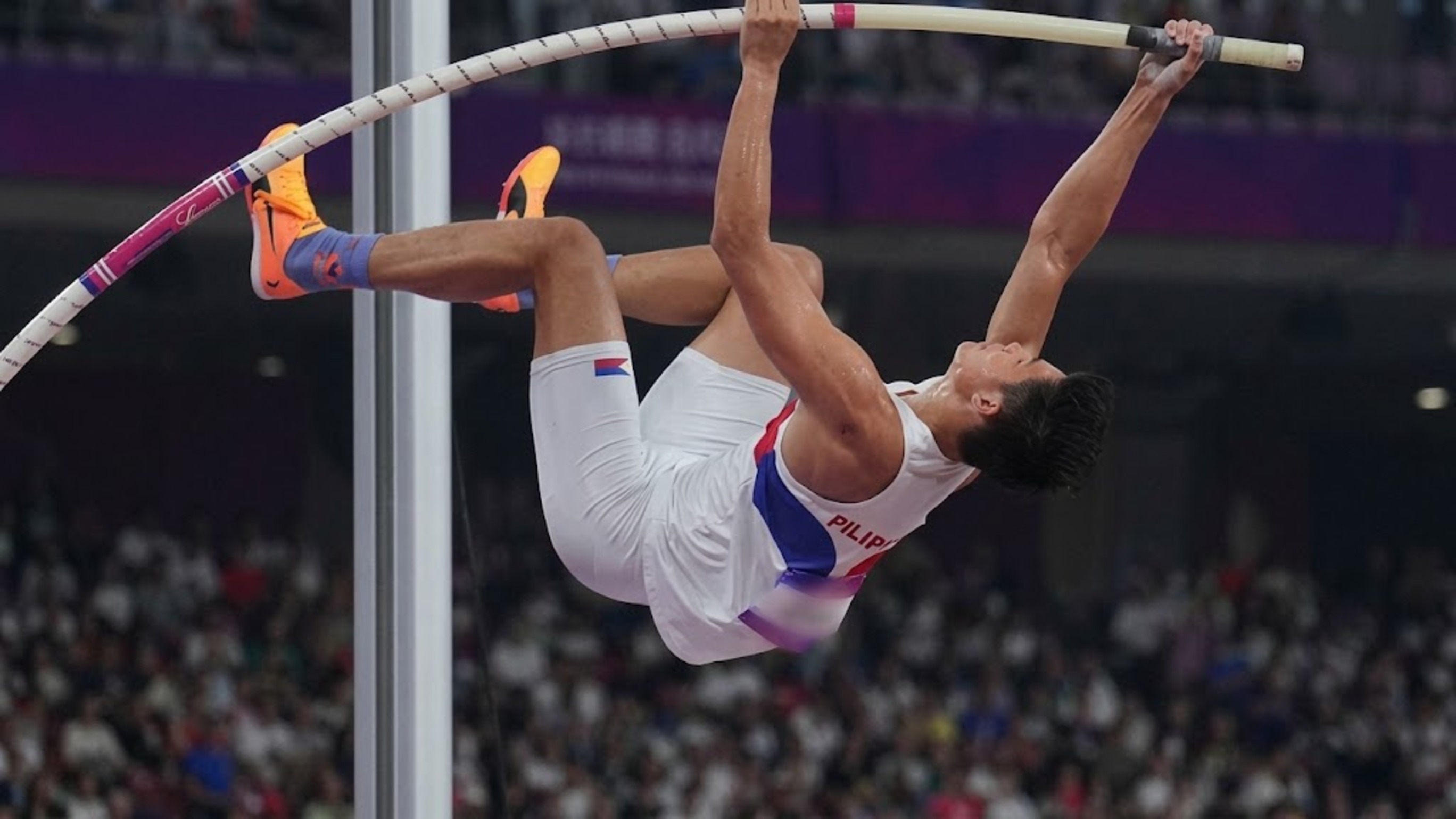
EJ Obiena May Miss Two Major Finals. Can Missing Competition Actually Help an Athlete Recover?
EJ Obiena just won gold at ISTAF Berlin, his ninth gold medal of an already dominant 2026 season. He's now set to skip two of the season's remaining marquee events, the Diamond League Final in Brussels and the World Athletics Ultimate Championship in Budapest, entirely.
This time it's not injury forcing the decision. It's strategy.
Why this rest is different from his past absences
Obiena's career has been repeatedly interrupted by injury before, most seriously a fractured L5 vertebra in 2024 that ended his season early and derailed his Paris Olympics preparation. Those absences were forced, the direct result of a body that had already broken down and needed to heal before it could compete again.
This time, he simply hasn't accumulated enough points for an automatic invite to either event and hasn't received a wildcard. Rather than chase a marginal opportunity, he's choosing to rest instead.
Why the timing of this choice matters
Obiena's next major target is defending his Asian Games pole vault title in Nagoya, running September 19 through October 4, against a strong continental field that includes Qatar's Seifeldin Abdelsalam and China's Bokai Hoang. Skipping two demanding finals gives him a genuine recovery window before that title defense, rather than arriving depleted from back-to-back major competitions in different countries.
That's a meaningfully different calculation than his past forced breaks, which came after his body had already failed under an unsustainable competition load.
Why voluntary rest is harder for athletes to choose than it sounds
Elite athletes are conditioned to chase every available point and every possible medal, especially in a sport like pole vault where rankings points determine invitations to future majors. Choosing to sit out two high-profile events, even without a wildcard forcing the issue, still requires accepting a competitive opportunity cost most athletes are reluctant to take on voluntarily.
Obiena has nine golds and 13 podium finishes already this season. That track record gives him more room to make this call than an athlete still trying to build a season-defining résumé.
What this decision could mean for his title defense
Obiena has a documented history of managing an accumulating physical toll across a long season, and his own team has previously acknowledged that fatigue from an overloaded calendar contributed to past underperformances. A deliberate rest window before Nagoya is a direct attempt to avoid repeating that pattern, arriving at his most important remaining competition of the year fresh rather than running on fumes.
Whether it works will show up in the one result that matters most to him: successfully defending the continental title he's held since 2022.
Obiena is voluntarily walking away from two marquee finals to protect his body for one specific competition. Is that kind of selective rest actually the smarter long-term strategy for a career that's already been disrupted by injury once, or does skipping competition always come with a cost that only shows up later?
Peres Jepchirchir Won Sydney Easily. What Makes Some Marathoners Better at Managing the Final 10K?
England vs Argentina: Why This Rivalry Never Gets Old
Kipchoge's Asterisk Is Getting Old

Why Football's Transfer Window Always Turns Into a Last-Minute Auction
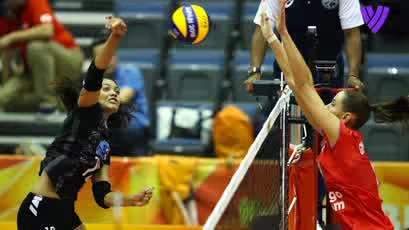
How Thailand Finally Reached the Olympics, and What Its Volleyball System Can Teach Other Nations

Why September Could Be One of Sport's Most Important Months of 2026
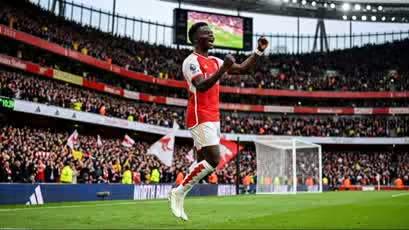
Arsenal Have Started the Title Defence Perfectly. Is Their Biggest Advantage Now Squad Depth?

The Clippers Lost Five First-Round Picks. What Happens When an NBA Team Breaks the Salary-Cap Rules?
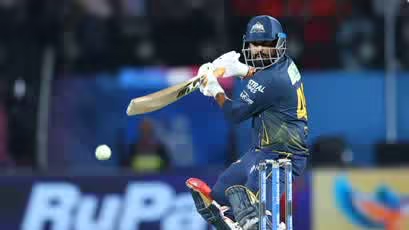
Why Cricket's Impact Player Rule Has Become a Bigger Debate Than the Matches It Changes

Papua New Guinea Is Building a Rugby League Team From Scratch. Could It Change the Sport's Map?


