




 0
0Why Mental Strength Can Make or Break an Athlete’s Career
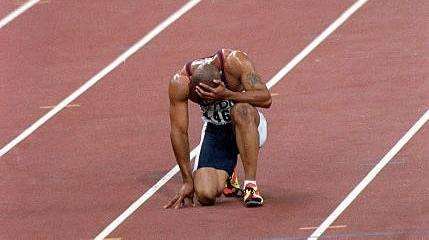
When people talk about successful athletes, the conversation usually focuses on physical ability. We hear about speed, strength, technique, goals, trophies and records. But there is another part of sports that is just as important and often receives less attention: the mind.
Two athletes can have similar physical abilities, yet one may perform better under pressure because of stronger mental preparation. In football, basketball, athletics, tennis and almost every other sport, an athlete’s ability to remain focused and confident can make a major difference.
Sports are full of pressure. An athlete may be competing in front of thousands of supporters while millions more watch from home. One mistake can change the result of an entire game. A missed penalty, a dropped catch, a false start or a missed opportunity can stay in an athlete’s mind long after the competition is over.
This is where mental strength becomes important.
Mentally strong athletes understand that mistakes are part of competition. Instead of allowing one bad moment to destroy their confidence, they try to focus on what they can do next. A footballer who misses an easy chance still has to concentrate on the next opportunity. A basketball player who misses several shots cannot afford to stop defending. An athlete who has a poor race must learn from it and prepare for the next one.
Confidence is another major factor. An athlete needs to believe in their preparation, especially when facing a difficult opponent. However, confidence does not mean believing that you will always win. It means trusting your ability to perform even when the situation becomes difficult.
Handling criticism is also part of an athlete’s mental journey. Professional sports can expose players to enormous amounts of criticism from supporters, commentators and social media users. Some criticism can be useful, but constantly reading negative comments can affect confidence and concentration.
This is why many athletes work with coaches, psychologists and other professionals to improve their mental approach. Mental preparation can include visualization, goal setting, breathing techniques and learning how to stay focused during stressful moments.
Failure can also become an important part of an athlete’s development. Some of the greatest sporting careers have included disappointing defeats, injuries and periods of poor form. What separates successful athletes is often not the absence of failure but their response to it.
An athlete who loses an important final may feel disappointed, but the experience can also reveal weaknesses that need to be addressed. The defeat can become motivation to train harder, improve technique and return better prepared.
Mental strength does not mean ignoring emotions. Athletes are human beings, and disappointment, fear and frustration are normal. The goal is to learn how to manage those emotions rather than allowing them to control performance.
Young athletes can learn this lesson early. Developing good habits, accepting mistakes, listening to coaches and learning how to deal with pressure can be just as valuable as improving physical skills.
In the end, sport is not only a test of the body. It is also a test of concentration, confidence, patience and resilience.
Talent may get an athlete noticed, but mental strength can help them survive the difficult moments that come with competition. When the pressure is at its highest and the result is uncertain, the strongest athlete is not always the one with the most physical ability. Sometimes, it is the one who can stay calm, believe in the work they have done and keep going when everything seems to be going wrong.

Why Young Footballers Need More Than Talent to Succeed

Women’s Sports Are Changing: Why More Fans Are Finally Paying Attention
When the Final Whistle Blows, What Happens to the Player?

What Happens When a Young Athlete Suddenly Becomes a Superstar?

The Day a Footballer Becomes the Villain

The Last Race: What Happens When an Athlete Knows It’s Time to Stop?
The Strange World of Sports: 7 Rules You Probably Didn’t Know Existed

When Talent Meets Money: Is Sport Becoming Too Expensive for Young People?

The Business of Sports: How a Game Became a Billion-Dollar Industry
What Makes a Great Sprinter? The Skills Behind Speed


