




 0
0What Novak Djokovic's US Open Exit Really Says About the Limits of Athletic Longevity
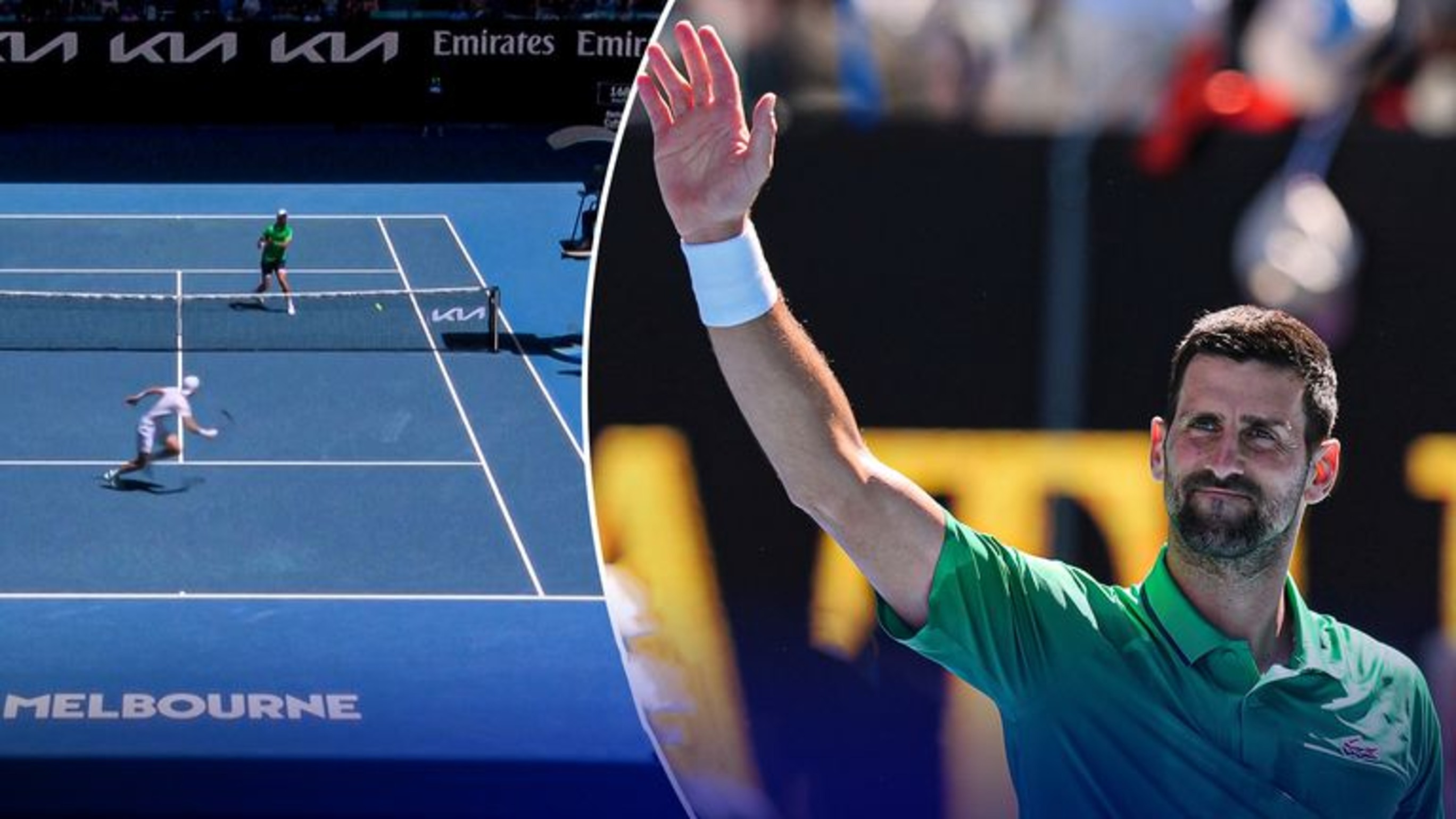
Novak Djokovic had never lost in the first round of the US Open. Not once, in more than two decades of trying.
On Sunday night that changed, and it changed in the worst possible way. Five sets. Four hours and 36 minutes. A 25-year-old named Mariano Navone playing the match of his life while Djokovic threw up courtside and grabbed at his back and shoulder between points.
He lost 7-6, 5-7, 4-6, 6-2, 6-1. Afterward he didn't dress it up. "I didn't enjoy myself," he said. "It was an awful feeling on the court for me."
This Wasn't Just an Off Night
Djokovic is 39. This was his earliest Grand Slam exit since the 2006 Australian Open, back when he was a teenager nobody outside tennis had heard of.
It was also the longest opening-round match of his career, which tells you something on its own. He didn't lose because he wasn't trying. He lost because his body stopped cooperating with how hard he was trying.
That's a different story than "Djokovic is finished," and it's a more interesting one.
What Actually Breaks Down First
Nobody's muscles vanish overnight at 35. What goes first is recovery.
A 25-year-old bounces back from a five-set war in a day or two. A 39-year-old needs longer, and the gap between those two numbers is exactly what a Grand Slam draw doesn't give you.
Reaction time slips a little. Tendons that used to snap back after a hard cut now take their time. None of it happens all at once. It just quietly raises the cost of every long rally.
Why Tennis Makes This Worse Than Most Sports
There's no clock to run out and no substitute to bring on.
A five-set match can eat four and a half hours out of a single day, and then the tournament expects you back on court within 48 hours to do it again.
Compare that to a sport with rolling subs or a hard time limit, and tennis starts to look like one of the cruelest tests of physical endurance in professional sport, buried inside what looks like a genteel one.
Experience Buys Time. It Doesn't Buy Forever
This is where Djokovic has lived for years now.
He serves smarter than he used to. He picks his spots instead of chasing every ball. He reads patterns a younger opponent hasn't learned to disguise yet.
That's real, and it's why he's still a threat at 39 when most players his age are commentating instead of competing. But tactical intelligence can only close so much of the physical gap.
At some point the body sends a bill that no amount of experience can pay down, and Sunday night looked a lot like that bill arriving.
Djokovic has spent his whole career making the impossible look sustainable. He's not walking away, and nobody sensible is predicting that he should.
But the questions that used to be about whether he'd win one more major are starting to sound like questions about how many more shots he even gets to take.
If the greatest player of his generation can still be beaten by his own body before he's beaten by an opponent, what does that actually tell us about where the ceiling on athletic longevity really sits, and is it moving at all?

Peres Jepchirchir Won Sydney Easily. What Makes Some Marathoners Better at Managing the Final 10K?
England vs Argentina: Why This Rivalry Never Gets Old

Why Football's Transfer Window Always Turns Into a Last-Minute Auction
How Thailand Finally Reached the Olympics, and What Its Volleyball System Can Teach Other Nations

Why September Could Be One of Sport's Most Important Months of 2026
Arsenal Have Started the Title Defence Perfectly. Is Their Biggest Advantage Now Squad Depth?

The Clippers Lost Five First-Round Picks. What Happens When an NBA Team Breaks the Salary-Cap Rules?
Why Cricket's Impact Player Rule Has Become a Bigger Debate Than the Matches It Changes

Papua New Guinea Is Building a Rugby League Team From Scratch. Could It Change the Sport's Map?
Addisu Gobena Just Broke Sydney's Marathon Record. Why Are Marathon Times Falling So Quickly?


