




 0
0Rain Is Reshaping the US Open. How Much Does Weather Really Change Elite Tennis?
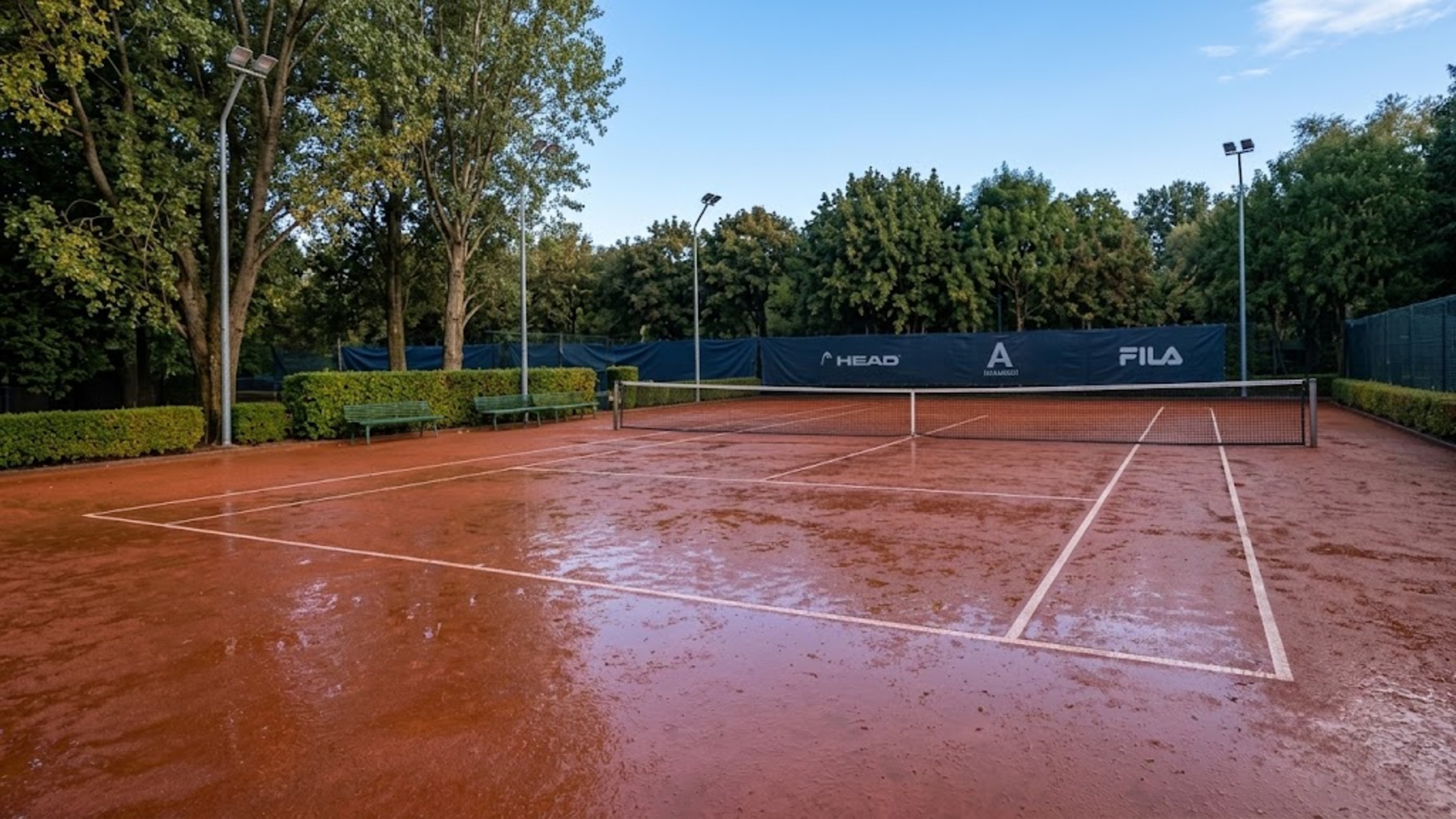
Seven matches were carried over from Sunday into Monday because of rain at this year's US Open. Then it rained again on Monday, suspending five more matches mid-play. Then it rained again on Tuesday, pushing outer-court play back until nearly 3 p.m.
Only two courts at the entire tournament complex, Arthur Ashe and Louis Armstrong, have retractable roofs. Every match not scheduled on one of those two courts has been at the mercy of the sky for three straight days.
Why this isn't a minor inconvenience
A rain delay doesn't just push a match back a few hours. It changes a player's entire day: the warm-up they did becomes wasted, the mental preparation resets, and if the match gets suspended mid-play, a player has to physically cool down and then re-warm an hour or more later, sometimes on a different day entirely.
For players already carrying a heavier physical load, coming back from injury or playing deep into their thirties, an unpredictable stop-start schedule adds real strain that a clean, uninterrupted match never would.
The advantage roofed courts quietly create
Players scheduled on Ashe or Armstrong have played every match this week exactly as planned, regardless of what the weather did outside. Players stuck on outer courts have dealt with suspended matches, overnight carryovers, and compressed schedules once play resumes, none of which has anything to do with how well either player is actually performing tennis.
That's a genuine structural inequality built into the draw itself. Two players with identical ability can have completely different tournament experiences purely based on which court they happened to be assigned.
Why the backlog compounds as the tournament continues
A rained-out day doesn't just disappear once the sun comes back out. Organizers have to squeeze postponed matches into an already tight schedule, which can mean players facing shorter turnarounds between rounds than intended, or matches getting pushed later into the night than either competitor would prefer.
That compounding effect tends to hit players outside the top seeds hardest, since marquee matchups get priority for the covered courts and the most favorable time slots once the schedule gets reshuffled.
What this actually says about the sport
Tennis prides itself on being a fair, one-on-one contest decided purely by who plays better. Weather disruptions quietly undermine that idea more than most fans realize, introducing scheduling variables that have nothing to do with skill but can meaningfully affect a player's physical readiness, rhythm, and recovery time heading into their next match.
It's not a new problem, and it's not unique to this tournament. But three straight days of disruption is an unusually visible reminder of how much a completely uncontrollable factor can shape outcomes at the sport's biggest events.
Two players with the exact same level of tennis could be having wildly different tournaments this week purely based on which court they got assigned. Is that an acceptable, unavoidable cost of playing an outdoor sport, or does a Grand Slam this size need more weather-proof courts than just two?
Peres Jepchirchir Won Sydney Easily. What Makes Some Marathoners Better at Managing the Final 10K?
England vs Argentina: Why This Rivalry Never Gets Old

Why Football's Transfer Window Always Turns Into a Last-Minute Auction
How Thailand Finally Reached the Olympics, and What Its Volleyball System Can Teach Other Nations

Why September Could Be One of Sport's Most Important Months of 2026
Arsenal Have Started the Title Defence Perfectly. Is Their Biggest Advantage Now Squad Depth?

The Clippers Lost Five First-Round Picks. What Happens When an NBA Team Breaks the Salary-Cap Rules?
Why Cricket's Impact Player Rule Has Become a Bigger Debate Than the Matches It Changes

Papua New Guinea Is Building a Rugby League Team From Scratch. Could It Change the Sport's Map?

Addisu Gobena Just Broke Sydney's Marathon Record. Why Are Marathon Times Falling So Quickly?


