




 0
0Why Formula 1 Keeps Changing Its Rules, and Who Really Benefits
Lewis Hamilton sat through a technical briefing on this year's new rules and said it felt like you needed a degree to follow it.
He's driven in Formula 1 for two decades. If it looked complicated to him, it was never going to be simple for anyone else.
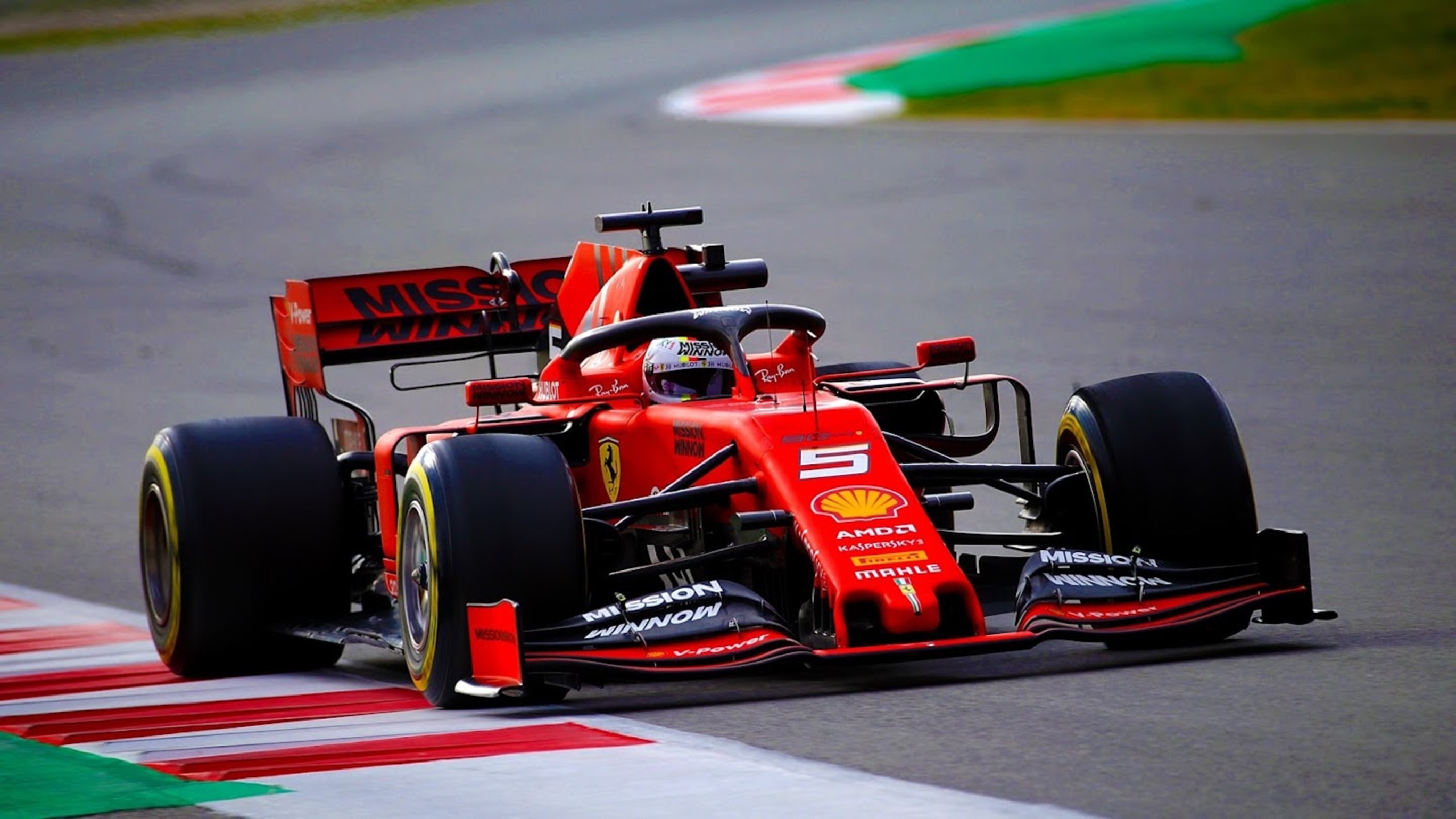
Here's what actually happened. F1 tore up almost the entire rulebook for 2026: new engines, new aerodynamics, new fuel, a bigger grid.
And heading into this weekend's Italian Grand Prix at Monza, the team sitting on top of the championship isn't the one that's dominated the sport for years. It's Mercedes, with rookie Kimi Antonelli leading by 59 points.
What actually changed under the hood
The old hybrid engine, in use since 2014, is gone. The complex MGU-H component that recovered energy from exhaust gases has been scrapped entirely, while the simpler MGU-K, which recovers energy under braking, now does far more of the work.
Electric power used to make up about 20 percent of total output. Now it's closer to half.
Combine that with a new generation of sustainable fuel and a shift from passive DRS to an "Overtake Mode" drivers have to actively manage through energy deployment, and you've got a genuinely different sport under the same name.
Why F1 keeps doing this to itself
This isn't the first time. F1 resets its major regulations roughly once a decade, and it's rarely subtle about the reason why.
When one team or one manufacturer figures out a set of rules better than everyone else, races stop being competitive and fans stop watching. A clean-sheet rules reset forces every manufacturer back to zero at the same time.
That's exactly the kind of chaos that makes a championship interesting again.
Who's actually winning this round
Mercedes clearly read the new engine philosophy correctly. Antonelli leads the standings, with teammate George Russell and Ferrari's Hamilton both tied for second, 59 points back.
That's a dramatic shift after years of a different team setting the pace.
Meanwhile the grid itself has changed shape. Audi has entered as a full manufacturer. Cadillac has joined as an eleventh team. Ford has returned to partner with Red Bull Powertrains after more than two decades away, and Honda has gone independent, supplying Aston Martin alone after years alongside Red Bull.
New rules didn't just reshuffle results. They reshuffled who's even in the paddock.
Who's still catching up
Not every switch went smoothly. McLaren has stayed sharp through the transition, with Lando Norris taking back-to-back wins heading into Monza.
But the teams and manufacturers who guessed wrong on the new engine concept are now racing an entire season at a structural disadvantage they can't fix mid-year. That's the brutal part of a regulation reset that nobody advertises when they announce it.
It doesn't just level the field. It picks new winners and losers before a single wheel turns in anger.
F1 built this reset to stop one team running away with everything. It's early, but Mercedes might be building exactly the kind of lead the rules were supposed to prevent.
Does a regulation reset actually create fairer competition, or does it just hand the advantage to whoever guesses the new puzzle first?

Peres Jepchirchir Won Sydney Easily. What Makes Some Marathoners Better at Managing the Final 10K?
England vs Argentina: Why This Rivalry Never Gets Old

Why Football's Transfer Window Always Turns Into a Last-Minute Auction

How Thailand Finally Reached the Olympics, and What Its Volleyball System Can Teach Other Nations

Why September Could Be One of Sport's Most Important Months of 2026

Arsenal Have Started the Title Defence Perfectly. Is Their Biggest Advantage Now Squad Depth?

The Clippers Lost Five First-Round Picks. What Happens When an NBA Team Breaks the Salary-Cap Rules?

Why Cricket's Impact Player Rule Has Become a Bigger Debate Than the Matches It Changes

Papua New Guinea Is Building a Rugby League Team From Scratch. Could It Change the Sport's Map?

Addisu Gobena Just Broke Sydney's Marathon Record. Why Are Marathon Times Falling So Quickly?


